Water may be the most overlooked ingredient and utility in a restaurant. It becomes ice, coffee, tea, fountain drinks, soup, dough, steam, rinse water, sanitizer dilution, and the feed water for equipment that runs for hours every day. When the incoming water is hard or has a noticeable disinfectant taste, the issue can show up in several places at once.
That does not mean every restaurant should install the same filter on every line. Good restaurant water filtration in Houston is application-specific. The water that protects a high-temperature steamer may not be the same treatment profile an espresso machine manufacturer recommends. The right design starts with testing the incoming water, mapping the equipment, and checking each manufacturer’s water specifications.
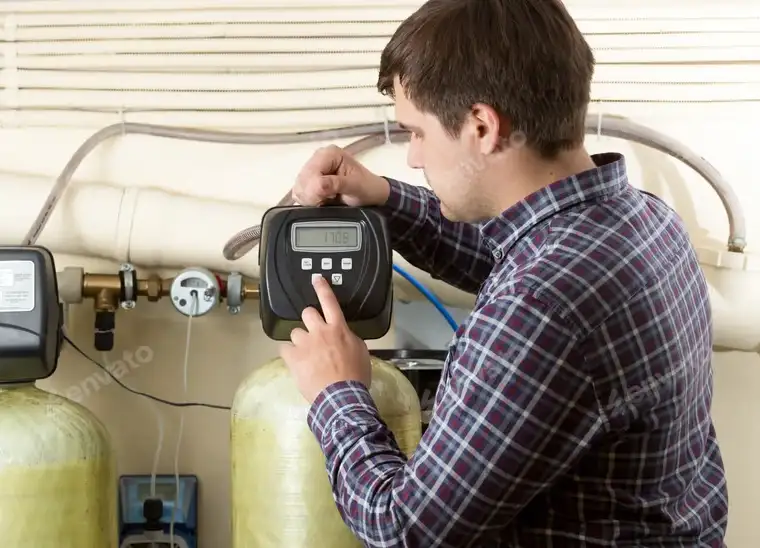
Clean Water Solutions provides water softener filtration for restaurants in Houston and customized commercial systems built around water quality and operational needs.
Why Houston Restaurant Water Needs an Equipment-by-Equipment Plan
Hardness is mainly associated with calcium and magnesium. USGS notes that when hard water is heated, calcium carbonate scale can form and reduce equipment life, increase heating costs, lower efficiency, and clog pipes. A restaurant concentrates that problem because so much equipment heats, evaporates, sprays, freezes, or repeatedly cycles water.
At the same time, stripping minerals indiscriminately is not always the answer. Coffee and espresso equipment, ice machines, steam equipment, dishwashers, and drinking-water systems can have different recommended water chemistry. Restaurant water treatment should follow the equipment specification, not a one-setting-fits-everything assumption.
Map the Five Water Zones in the Restaurant
Water Zone | Main Concern | Treatment Planning Question |
Ice machines | Scale, taste/odor, sediment and manufacturer water limits. | What hardness and filtration range does the ice-machine manufacturer specify? |
Coffee / espresso / tea | Taste, chlorine/chloramine, scale and mineral balance. | Does the beverage equipment require a target hardness or alkalinity range? |
Steamers / combi ovens | Scale formation from heated or evaporated water. | What treatment protects heating surfaces without violating equipment requirements? |
Dishwashing / warewashing | Scale, spotting, detergent performance and hot-water equipment. | Would softening reduce scale while maintaining proper sanitation and equipment operation? |
Drinking / cooking water | Taste, odor, sediment and specific contaminant concerns. | Is point-of-use filtration or reverse osmosis appropriate for the menu and volume? |
1. Ice Machines: Scale Can Hide Where Customers Never See It
Ice equipment continuously brings water into contact with cold surfaces, valves, distribution components, and freeze cycles. Hardness and sediment can contribute to maintenance problems, while chlorine or chloramine can affect the sensory quality of the water feeding the ice.
The goal is not simply “filter the ice machine.” It is to check the machine’s published water requirements, measure the incoming water, and choose treatment that addresses the local conditions without creating a new chemistry problem.
2. Coffee and Espresso: Better Water Is Not Necessarily Zero-Mineral Water
Coffee is mostly water, so taste matters. But espresso and brewing equipment can also be sensitive to both scale and water that falls outside the manufacturer’s chemistry range. That is why a restaurant should avoid assuming that reverse osmosis by itself is automatically the best feed for every brewer.
A well-designed system may use filtration, softening, blending, cartridge treatment, reverse osmosis with appropriate post-treatment, or another strategy depending on the equipment and incoming water.
3. Steamers and Combi Ovens: Heat Concentrates the Scale Problem
Steam-producing equipment is particularly vulnerable to dissolved minerals because water is heated and evaporated repeatedly. Mineral scale can coat heating surfaces, valves, sensors, and internal passages. USGS specifically notes that hard-water scale can reduce equipment life and heating efficiency.
For high-use kitchens, preventing scale before it forms is usually more predictable than relying on frequent deliming after performance has already declined.
4. Dishwashers: Softening Can Support the Warewashing System
Commercial dishwashers combine hot water, chemistry, spray action, and repeated cycles. Hard water can leave mineral deposits on equipment and contribute to spotting on glassware and utensils. A properly sized commercial softener can reduce hardness before water reaches the warewashing system.
Treatment does not replace correct detergent, sanitizer, temperature, machine maintenance, or health-code procedures. It supports the mechanical system by addressing water quality at the inlet.
5. Drinking and Cooking Water: Treat the Sensory Problem Separately
If a restaurant’s main complaint is chlorine taste, odor, sediment, or drinking-water quality, that problem may call for filtration or point-of-use treatment rather than simply more softening. The site’s homeowner guide on Houston chlorine taste explains why hardness and disinfectant taste are different treatment targets.
For drinking and recipe water, a properly designed reverse osmosis or other filtration system can be evaluated separately from the water feeding dishwashers or steam equipment.
What the FDA Food Code Means for the Water Conversation
The FDA Food Code is a model used by regulatory jurisdictions for retail food safety. Its water and plumbing provisions are about maintaining a safe, approved water supply and sanitary food-service operation. A treatment system installed for taste or equipment protection still has to fit within the restaurant’s plumbing, sanitation, and local regulatory requirements.
That is another reason commercial treatment should be professionally designed. A restaurant operator should not alter critical water lines or equipment feeds without understanding the food-service requirements, manufacturer specifications, backflow protections, drainage, flow demands, and maintenance schedule.
Signs a Houston Restaurant Should Test Its Water
White scale around hot-water or steam equipment. Especially repeated buildup after cleaning.
Cloudy or spotted glassware. Particularly when warewashing settings and chemistry are otherwise correct.
Ice or fountain water with a noticeable chemical taste or odor. The beverage line may need a different treatment layer than the dishwasher.
Frequent deliming or scale-related service calls. Repeated maintenance can signal that the incoming water is outside the equipment’s preferred range.
Uneven results after equipment replacement. A new machine may have tighter water specifications than the unit it replaced.
A remodel or new restaurant build-out. The best time to map treatment zones is before every appliance is connected.
Clean Water Solutions offers professional water testing in Houston that can serve as a starting point for hardness and other water-quality characteristics. For any parameter tied to food safety, health compliance, or a manufacturer warranty, use the required test method and documentation specified by the regulator or equipment manufacturer.
Restaurant Water Softener vs. Filtration vs. Reverse Osmosis
Treatment | Best at Addressing | Typical Restaurant Role |
Water softener | Calcium and magnesium hardness through ion exchange. | Scale control for selected equipment or hot-water applications when compatible with manufacturer requirements. |
Carbon / specialty filtration | Taste, odor, disinfectant and particulate reduction depending on media and certification. | Ice, beverage, drinking or whole-line treatment where the selected filter matches the concern. |
Reverse osmosis | Broad dissolved-solids reduction at a point of use. | Drinking, recipe or beverage applications; may require blending or post-treatment for certain equipment. |
Sediment prefiltration | Suspended particles and debris. | Protects downstream treatment and equipment where particulate load is a concern. |
Combination system | Multiple water-quality problems. | A tailored multi-stage solution when the restaurant has different requirements across the facility. |
How to Size a Commercial Water Treatment System
Residential sizing rules are not enough for a restaurant. The designer needs to know flow rate, daily volume, peak demand, hardness, regeneration capacity, equipment inventory, hours of operation, drain access, and required water chemistry.
Inventory every water-using appliance. Record model numbers so manufacturer limits can be checked.
Estimate peak flow, not only daily gallons. Lunch and dinner rushes can create short periods of very high demand.
Separate treatment zones where necessary. The coffee bar, steamer, ice machine, dishwasher, and drinking-water tap may not belong on the same treatment train.
Plan bypass and service access. Equipment needs to remain maintainable without turning the mechanical room into a plumbing maze.
Build maintenance into the operating budget. Salt, cartridges, membranes, sanitation, inspection, testing, and service intervals are recurring costs.
Retest after major changes. A new water source, equipment replacement, plumbing renovation, or performance problem can justify another analysis.
Maintenance Is Part of the Water System, Not an Afterthought
A filter that is overdue, a softener without enough salt, a clogged prefilter, or an exhausted cartridge can become the weak link in an otherwise good design. Restaurant treatment should have a written maintenance schedule with the responsible person, service interval, replacement part, and trigger for unscheduled inspection.
Clean Water Solutions also provides commercial water maintenance and residential/commercial water softener maintenance. For a restaurant, the maintenance plan should be adapted to actual water usage and equipment manufacturer requirements.
Build the Water System Around the Menu and Equipment
A Houston restaurant does not buy water treatment for the abstract goal of “better water.” It buys it to protect equipment, maintain consistent beverages and ice, reduce scale-related maintenance, and support a reliable food-service operation.
The strongest plan begins with testing, then separates the facility into treatment zones. From there, the water softener, filters, reverse osmosis, or combination system can be sized around the real equipment instead of a generic commercial package.
To evaluate a new build, remodel, recurring scale problem, or existing restaurant system, contact Clean Water Solutions for a commercial water assessment.
Frequently Asked Questions
Does every Houston restaurant need a water softener?
Not necessarily. A softener is useful when hardness is a meaningful problem and the downstream equipment is compatible with softened water. Some restaurant equipment may require a specific mineral, hardness, alkalinity, or total-dissolved-solids range, so the incoming water and manufacturer requirements should be reviewed before treatment is selected.
Can one water filter serve the ice machine, coffee equipment, dishwasher, and steamer?
Sometimes a common pretreatment stage can serve multiple applications, but one final treatment profile is not automatically right for every appliance. High-quality commercial designs often separate treatment zones because beverage, steam, warewashing, and drinking-water equipment can have different water specifications.
How often should a restaurant water filtration system be serviced?
Service frequency depends on incoming water quality, water volume, filter capacity, softener regeneration, equipment demand, and manufacturer instructions. High-volume restaurants may reach cartridge or salt capacity much faster than residential users, so maintenance should be based on usage and measured performance rather than a generic calendar alone.
Food-service requirements vary by jurisdiction and equipment. Follow current local health-code requirements and the water-quality specifications of each appliance manufacturer.